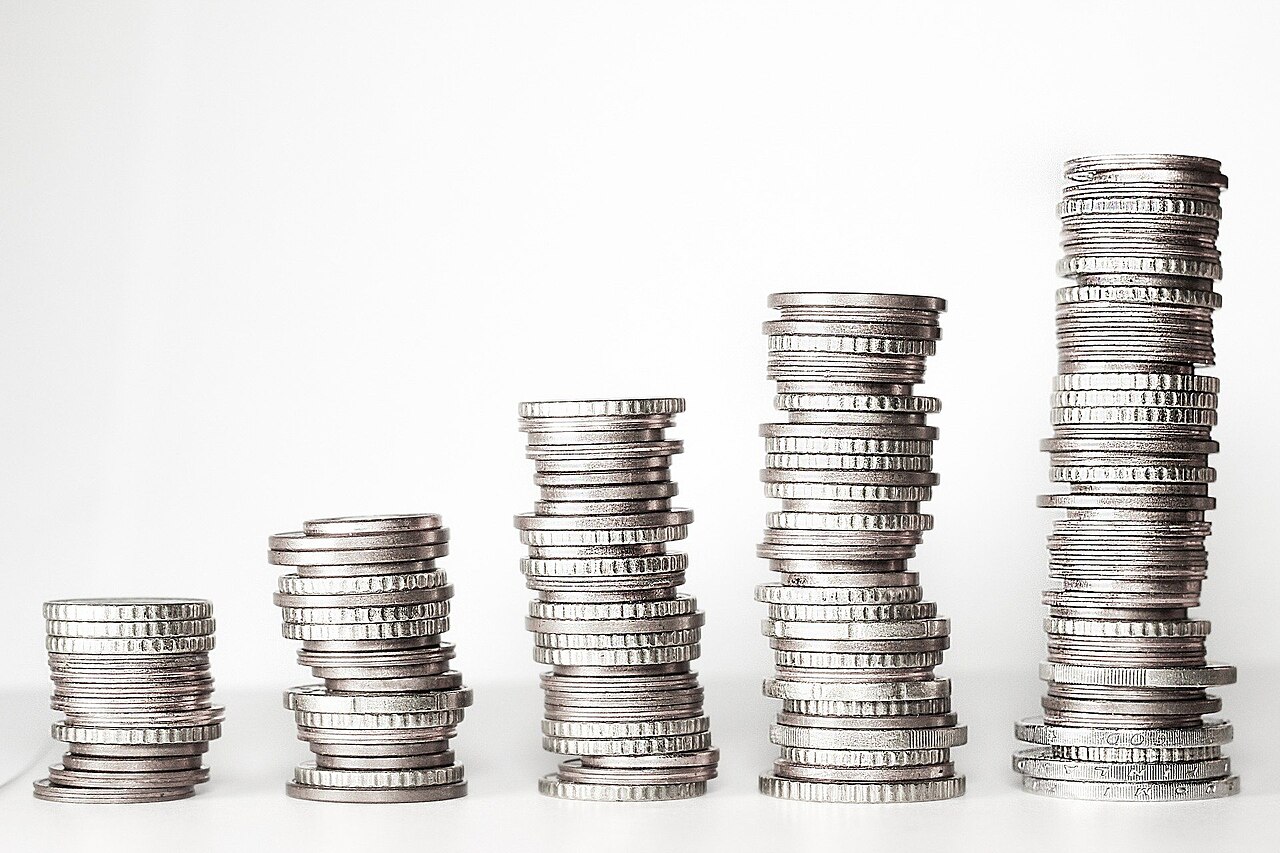
Build a cash-flow map
A cash-flow map shows when money arrives, when it leaves, and which weeks feel tight. It is more useful than a perfect monthly total that hides timing gaps.
Read the guidePractical ideas for everyday money decisions, written to help you think ahead with confidence.
A cash-flow map shows when money arrives, when it leaves, and which weeks feel tight. It is more useful than a perfect monthly total that hides timing gaps.
Read the guide
A buffer can make an unexpected bill less disruptive. The right starting target depends on your income stability and the expenses you cannot easily postpone.
Read the guide
Short-term purchases and distant plans need different amounts of flexibility. Naming each goal helps make trade-offs visible.
Read the guide
Small subscriptions and automatic renewals can be hard to notice because they arrive on different dates. A periodic review can reveal what you still value.
Read the guideDifferent payoff approaches trade motivation, interest cost, and cash-flow flexibility. Seeing the trade-offs is more useful than following a slogan.
Read the guideA few account habits can reduce avoidable risk and make unusual activity easier to spot. Security works best when it is simple enough to maintain.
Read the guideWhen income varies, a fixed spending plan can become misleading. A conservative baseline helps separate reliable commitments from variable upside.
Read the guideA short review turns a budget from a static document into a useful feedback loop. The goal is to notice patterns without judging every purchase.
Read the guideNo matching stories. Try another word.